



BCP services encompass a range of strategies and solutions designed to prepare businesses for such events, allowing them to maintain operations and protect their assets.
In an increasingly unpredictable world, the need for robust BCP services has never been more pronounced. Organizations of all sizes and sectors recognize the necessity of having a comprehensive plan in place. BCP services not only focus on immediate response strategies but also emphasize long-term recovery and resilience.
By investing in these services, businesses can safeguard their reputation, minimize financial losses, and ensure the safety of their employees and customers. As the landscape of risks continues to evolve, understanding the fundamentals of BCP services becomes essential for any organization aiming to thrive in the face of adversity.
Table of Contents
ToggleKey Takeaways
- BCP services are essential for ensuring business continuity during disruptions.
- Key components include risk assessment, recovery strategies, and communication plans.
- Various types of BCP services address different organizational needs and risks.
- Effective implementation and regular testing are critical for BCP success.
- Selecting the right BCP provider involves evaluating expertise, reliability, and support capabilities.
The Importance of BCP Services
The significance of BCP services cannot be overstated. In an era where businesses are increasingly reliant on technology and interconnected systems, the potential for disruption has grown exponentially. A single incident can lead to severe operational setbacks, loss of revenue, and damage to a company’s reputation.
By implementing effective BCP services, organizations can mitigate these risks and maintain continuity in their operations. Moreover, regulatory compliance is another critical aspect driving the adoption of BCP services. Many industries are subject to strict regulations that require businesses to have contingency plans in place.
Failure to comply with these regulations can result in hefty fines and legal repercussions.
Therefore, having a well-structured BCP service not only protects an organization from unforeseen events but also ensures adherence to industry standards and regulations.
Key Components of BCP Services
A comprehensive BCP service comprises several key components that work together to create a cohesive strategy. Risk assessment is one of the foundational elements, as it involves identifying potential threats and vulnerabilities that could impact business operations. This assessment allows organizations to prioritize risks and allocate resources effectively.
Another critical component is the development of a business impact analysis (BIA). This process evaluates the potential effects of disruptions on various business functions, helping organizations understand which areas require immediate attention during a crisis. Additionally, communication plans are essential for ensuring that all stakeholders are informed and coordinated during an incident.
Clear communication can significantly reduce confusion and facilitate a more efficient response.
Types of BCP Services
| Type of BCP Service | Description | Key Features | Typical Use Cases | Recovery Time Objective (RTO) |
|---|---|---|---|---|
| Data Backup and Recovery | Services focused on backing up critical data and restoring it after a disruption. | Automated backups, offsite storage, incremental backups, quick restore | Data loss prevention, ransomware recovery, accidental deletion | Hours to days |
| Disaster Recovery as a Service (DRaaS) | Cloud-based replication and hosting of IT infrastructure to enable rapid failover. | Real-time replication, failover testing, cloud failover, multi-site support | IT infrastructure failure, natural disasters, cyberattacks | Minutes to hours |
| Business Continuity Planning Consulting | Professional services to develop, test, and maintain BCP strategies and plans. | Risk assessment, business impact analysis, plan development, training | New BCP implementation, regulatory compliance, plan updates | Not applicable |
| Emergency Communication Services | Systems to notify employees and stakeholders during a crisis. | Mass notification, multi-channel alerts, two-way communication | Evacuation alerts, incident updates, crisis communication | Immediate |
| Alternate Site Services | Provision of physical locations to continue operations during a disruption. | Hot sites, warm sites, cold sites, fully equipped workspaces | Facility damage, long-term outages, relocation needs | Hours to days |
BCP services can be categorized into various types, each tailored to address specific needs and challenges faced by organizations. One common type is disaster recovery planning, which focuses on restoring IT systems and data after a disruption. This service is particularly crucial for businesses that rely heavily on technology and digital infrastructure.
Another type is crisis management services, which provide organizations with strategies for handling emergencies and public relations challenges. These services often include training for employees on how to respond effectively during a crisis, ensuring that everyone is prepared to act swiftly and decisively. Additionally, some organizations may opt for business continuity consulting services, where experts assess existing plans and recommend improvements based on industry best practices.
Implementing BCP Services
The implementation of BCP services requires careful planning and collaboration across various departments within an organization. It begins with establishing a dedicated team responsible for developing and executing the continuity plan. This team should include representatives from key areas such as IT, operations, human resources, and communications to ensure a comprehensive approach.
Once the team is in place, the next step involves conducting thorough risk assessments and business impact analyses. These assessments will inform the development of specific strategies tailored to address identified risks. Training sessions should be organized to educate employees about their roles during a crisis, fostering a culture of preparedness throughout the organization.
Regular updates and revisions to the plan are necessary as new risks emerge or business operations evolve.
Best Practices for BCP Services
Adopting best practices is crucial for maximizing the effectiveness of BCP services. One fundamental practice is to maintain clear documentation of all plans and procedures. This documentation should be easily accessible to all employees and regularly updated to reflect any changes in operations or risk profiles.
Another best practice involves conducting regular training sessions and drills to ensure that employees are familiar with their roles during a crisis. These exercises not only reinforce knowledge but also help identify any gaps in the plan that may need addressing. Furthermore, fostering a culture of open communication encourages employees to voice concerns or suggestions regarding the continuity plan, leading to continuous improvement.
Testing and Maintaining BCP Services
Testing is an integral part of maintaining effective BCP services. Organizations should conduct regular drills and simulations to evaluate the effectiveness of their plans in real-world scenarios. These tests help identify weaknesses or areas for improvement, allowing organizations to refine their strategies accordingly.
In addition to testing, ongoing maintenance is essential for keeping BCP services relevant and effective. This involves regularly reviewing and updating plans based on changes in business operations, emerging threats, or lessons learned from previous incidents. Engaging with employees during this process ensures that everyone remains informed about any updates or modifications made to the continuity plan.
Choosing the Right BCP Service Provider
Selecting an appropriate BCP service provider is a critical decision that can significantly impact an organization’s resilience. When evaluating potential providers, organizations should consider their experience and expertise in the field. A provider with a proven track record in developing effective continuity plans will be better equipped to address specific organizational needs.
Additionally, organizations should assess the range of services offered by potential providers. A comprehensive approach that includes risk assessment, training, and ongoing support will provide greater value than a provider offering limited solutions. Finally, it is essential to establish clear communication channels with the chosen provider to ensure alignment on goals and expectations throughout the partnership.
In conclusion, Business Continuity Planning services are indispensable for organizations seeking to safeguard their operations against unforeseen disruptions. By understanding their importance, key components, types, implementation strategies, best practices, testing methods, and how to choose the right provider, businesses can build resilience and thrive even in challenging circumstances. Investing in BCP services not only protects assets but also fosters confidence among stakeholders, ultimately contributing to long-term success in an unpredictable world.
Business Continuity Planning (BCP) services are essential for organizations to ensure they can maintain operations during unexpected disruptions. For a deeper understanding of how strategic planning can enhance your BCP efforts, you may find the article on strategic planning consulting helpful. It discusses the importance of aligning your business strategies with continuity plans to mitigate risks effectively.
FAQs
What does BCP stand for?
BCP stands for Business Continuity Planning. It refers to the process and strategies that organizations implement to ensure that critical business functions can continue during and after a disaster or disruption.
What are BCP services?
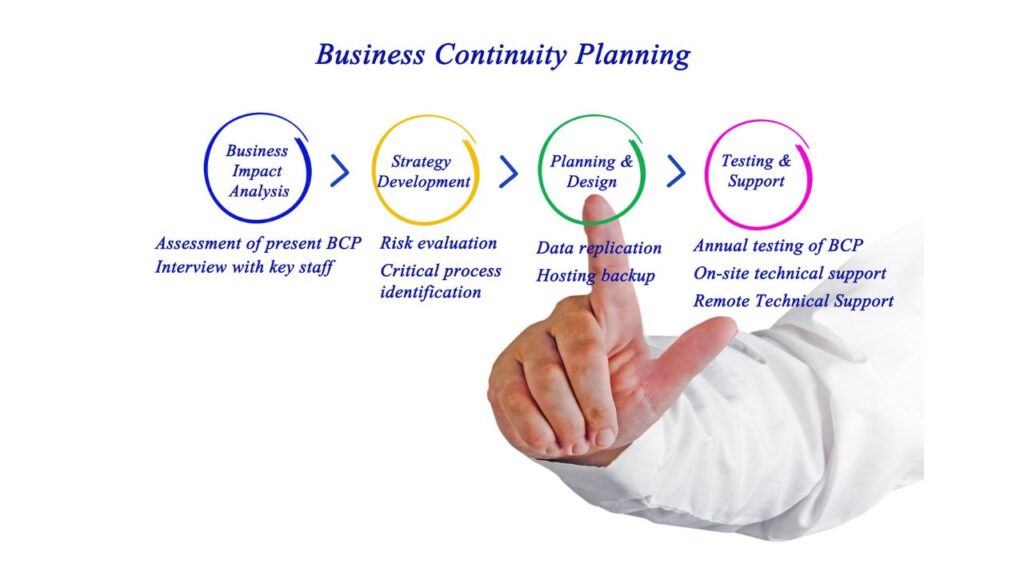
BCP services are professional services that help organizations develop, implement, and maintain business continuity plans. These services typically include risk assessment, business impact analysis, strategy development, plan creation, testing, and training.
Why are BCP services important?
BCP services are important because they help organizations prepare for unexpected events such as natural disasters, cyberattacks, or system failures. Effective business continuity planning minimizes downtime, protects data and assets, and ensures that essential operations can continue without significant interruption.
Who provides BCP services?
BCP services are provided by specialized consulting firms, IT service providers, and risk management companies. Many organizations also have internal teams dedicated to business continuity planning.
What industries benefit from BCP services?
Almost all industries can benefit from BCP services, especially those that rely heavily on continuous operations such as finance, healthcare, manufacturing, telecommunications, and government agencies.
What is included in a typical BCP service package?
A typical BCP service package may include risk and impact assessments, development of recovery strategies, creation of detailed continuity plans, employee training, regular testing and drills, and ongoing plan updates.
How often should a business continuity plan be updated?
A business continuity plan should be reviewed and updated at least annually or whenever there are significant changes in the business environment, technology, or organizational structure.
Can BCP services help with regulatory compliance?
Yes, many industries have regulatory requirements related to business continuity and disaster recovery. BCP services can help organizations meet these compliance standards by ensuring proper documentation and preparedness.
What is the difference between BCP and disaster recovery?
Business Continuity Planning (BCP) focuses on maintaining essential business functions during and after a disruption, while disaster recovery (DR) specifically deals with restoring IT systems and data after an incident. BCP is broader and includes DR as one component.
How do BCP services improve organizational resilience?
BCP services improve organizational resilience by identifying potential risks, establishing clear response procedures, training staff, and ensuring that critical operations can continue or quickly resume after disruptions, thereby reducing financial losses and reputational damage.